- FDA-cleared · Drug-free · Non-invasive
NeuroStar® TMS Therapy
NeuroStar uses transcranial magnetic stimulation (TMS) to target key areas of the brain that are underactive in people with depression. It is not ECT (electroconvulsive therapy).
While the exact cause of depression is not known, the leading scientific theory is that it is caused by an imbalance of the brain’s neurotransmitters, which are chemical messengers that send signals between brain cells.
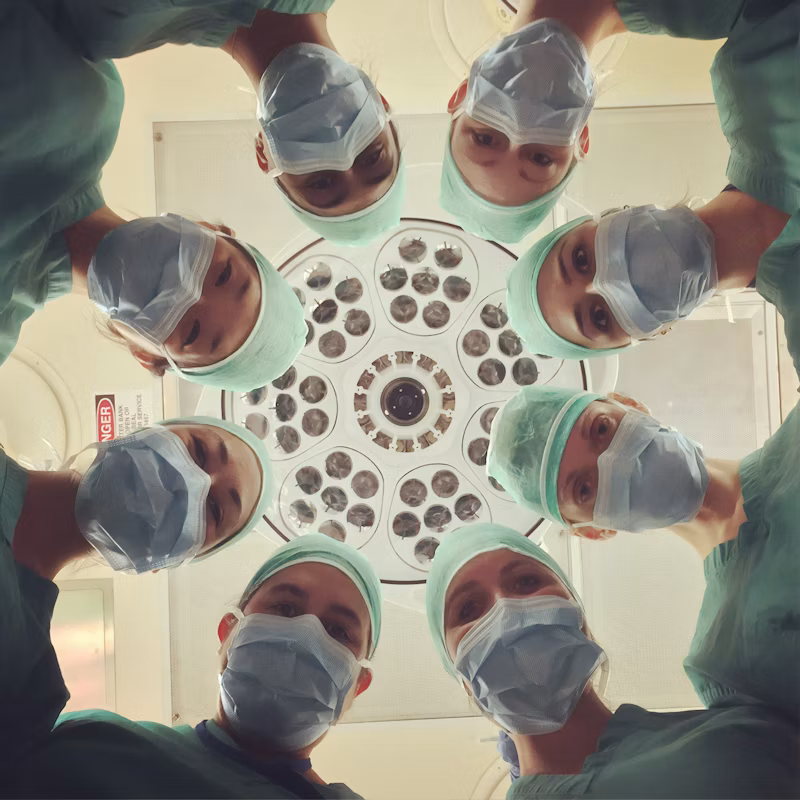

The short answer
What is NeuroStar TMS therapy?
During a NeuroStar treatment session, a magnet similar in strength to that used in a magnetic resonance imaging (MRI) machine is used to stimulate nerve cells in the area of the brain thought to control mood. These magnetic pulses may have a positive effect on the brain’s neurotransmitter levels, making long-term remission possible.
A PET scan measures vital functions such as blood flow, oxygen use, and blood sugar (glucose) metabolism.
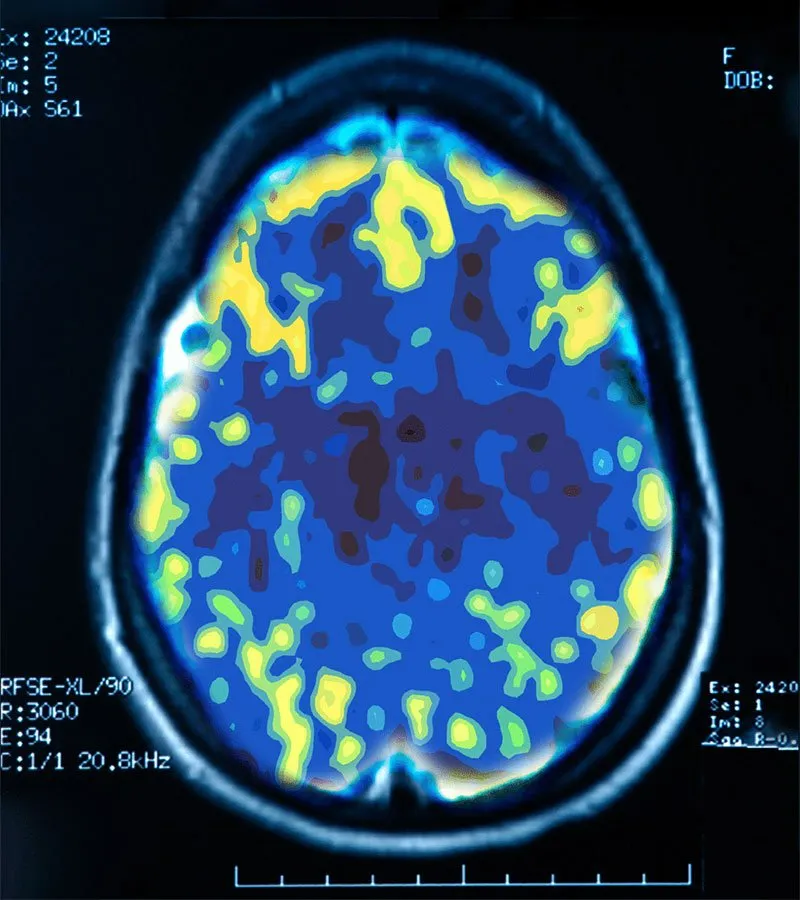
Non-depressed
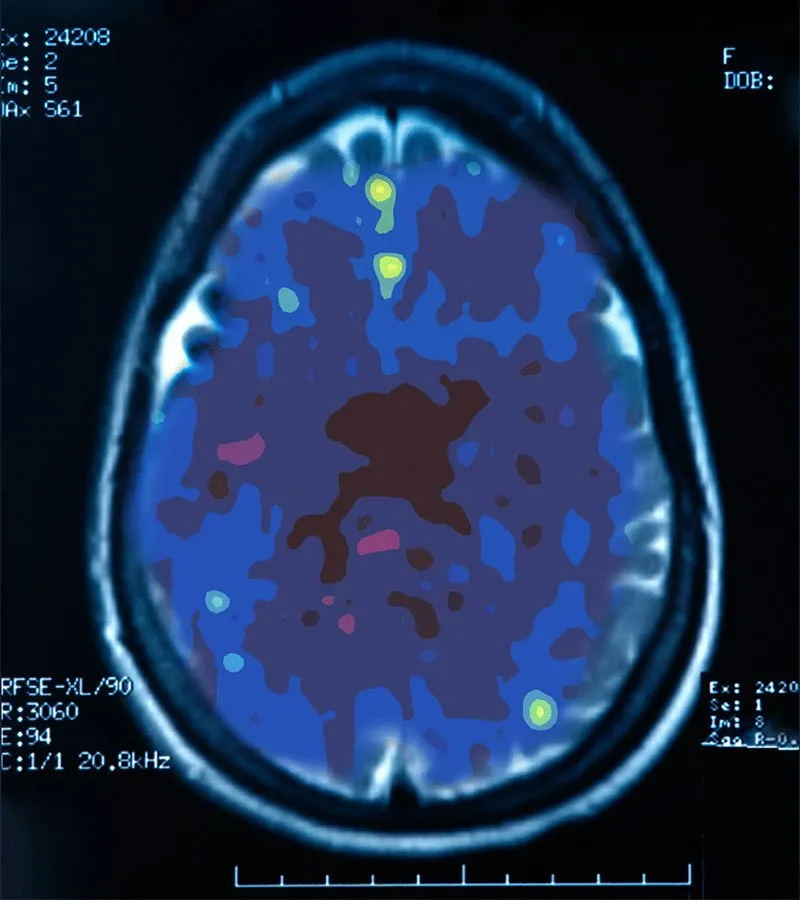
Depressed
How a course of TMS works
Here’s what you can expect from a NeuroStar Advanced Therapy (TMS) session
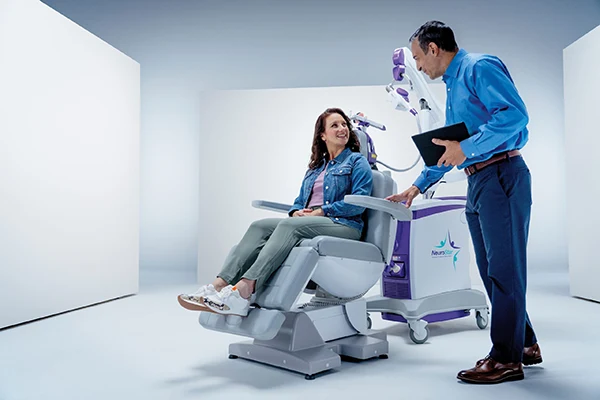
Before Treatment
You’ll recline comfortably in the treatment chair. A small, curved magnetic coil will be positioned lightly on your head
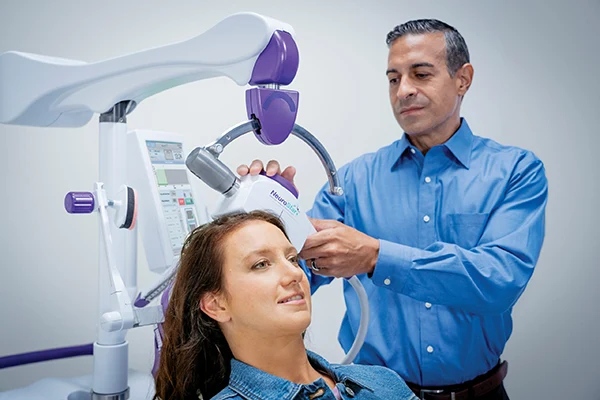
During Treatment
You’ll recline comfortably in the treatment chair. A small, curved magnetic coil will be positioned lightly on your head
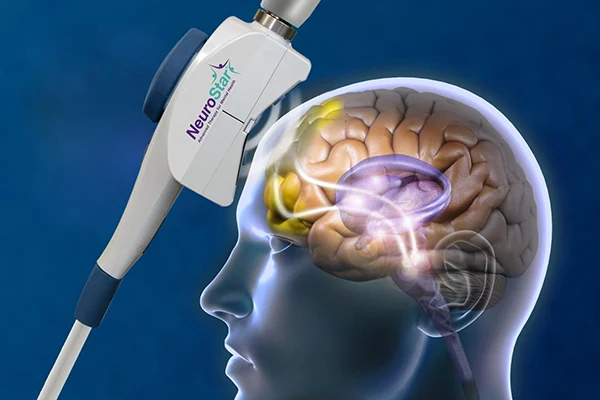
After Treatment
You’ll recline comfortably in the treatment chair. A small, curved magnetic coil will be positioned lightly on your head
Treatment with NeuroStar Advanced Therapy is easy
- Therapy sessions are conducted in your NeuroStar doctor's office
- You can return to normal activities right away
- You are awake during treatment
- There are no negative effects on memory or sleep
- It's covered by most health insurance plans, including Medicare and Tricare
TMS may be a fit if you…
- Therapy sessions are conducted in your NeuroStar doctor's office
- Have had side effects from antidepressants
- Want a non-medication option to add to your care
- Are looking for a proven, FDA-cleared approach
A clinician will confirm whether TMS is appropriate for your situation during your consultation.
NeuroStar ® Therapy Insurance Coverage
Since the FDA clearance of TMS in 2008, insurance coverage for eligible patients has increased significantly. Currently, there are over 60 coverage polices for TMS, including most Medicare contractors. Although TMS is not a first-line treatment, it is an alternative option for those who are not responding to or cannot tolerate medications. Call us today to speak directly with the NeuroStar Coordinator about your specific insurance plan, coverage, and eligibility. For a list of the insurance companies that our practice accepts.
How a course of TMS works
Here’s what you can expect from a NeuroStar Advanced Therapy (TMS) session

Randi's Story
NeuroStar Advanced Therapy for Mental Health.
Learn about Randi’s experiences with NeuroStar Advanced Therapy.
Don's Story
NeuroStar Advanced Therapy for Mental Health
Learn about Don’s experience with NeuroStar Advanced Therapy
Testimonials
What our clients say.
Monique is an amazing therapist. She’s helped me work through some issues that helped me in very significant ways. I’m grateful for the service and for Monique.
AlexNew York
I love that Monique makes me feel understood and herd. Most importantly she gives me the tools to overcome and understand my shortcomings. Extremely grateful that I met her.
RonNew York
Monique is amazing. She helped me to see that I’m in a toxic relationship with a narcissist, and with her help I feel like I’ll be able to leave and finally recover from the trauma of it all. Thank you, Monique!
KaseyNew York
Have Any Question?
Frequently Asked Questions
What is Transcranial Magnetic Stimulation?
Transcranial magnetic stimulation often referred to as TMS is a noninvasive procedure that uses magnetic fields to stimulate nerve cells in the brain to improve symptoms of depression. TMS is typically used when antidepressant medications haven’t been effective, have ceased working, or as an alternative to medication.
How long is TMS treatment?
A typical initial course of treatment is about 19-37 minutes daily over 4-6 weeks.
Is TMS Therapy covered by my Insurance?
A vast majority of commercial and Medicare plans have recognized the effectiveness of treating depression with TMS Therapy and now cover TMS as part of their plans.
Is TMS Therapy a good alternative for patients who cannot tolerate the side effects of antidepressant medications?
TMS does not circulate in the blood throughout the body, so It does not have side effects like weight gain, sexual dysfunction, nausea, dry mouth, sedation, etc. The most common side effects reported during clinical trials were headache and scalp discomfort —generally mild to moderate—occurring less frequently after the first week of treatment.
Is TMS Therapy like other alternative therapies that use magnets to treat some illnesses?
No. TMS Therapy involves a unique method of using pulsed magnetic fields for a therapeutic benefit. The intensity of the magnetic field is similar to that of an MRI. These techniques differ radically from the popular use of low intensity, static magnetic fields. Those products deliver weak and undirected static fields that are not capable of activating brain cells. The activation and stimulation of brain cells is a key part of why TMS is so effective.
Overcome your depression today
Take the first step
Schedule a free consultation with our NeuroStar Coordinator to find out If this treatment Is right for you.
Thank you — we received your message.
Our NeuroStar Coordinator will reach out to schedule your free consultation.
Clinical Trials & Academic Studies
- Carpenter LL et al. (2012). Transcranial Magnetic Stimulation (TMS) for Major Depression: A Multisite, Naturalistic, Observational Study of Acute Treatment Out. comes in Clinical Practice. Depression and Anxiety, 29(7):587-596. www.ncbi.nlm.nih.gov/pubmed/20439832
- George MS, et al. (2010). Daily Left Prefrontal Transcranial Magnetic Stimulation Therapy for Major Depressive Disorder: A Sham-Controlled Randomized Trial. Arch Gen Psychiatry, 67(5):507-516. www.ncbi.nlm.nih.gov/pubmed/20439832
- Dunner DL, et al. (2014). A Multisite, Naturalistic, Observational Study of Transcranial Magnetic Stimulation (TMS) for Patients with Pharmacoresistant Major Depressive Disorder: Durability of Benefit Over a 1-Year Follow-Up Period. J Clin Psychiatry. 75(121:1394-1401. www.ncbi.nlm.nih.gov/pubmed/25271877
- O’Reardon JP, et al. (2007). Efficacy and Safety of Transcranial Magnetic Stimulation in the Acute Treatment of Major Depression: A Multisite Randomized Controlled Trial. Biol Psychiatry, 62(11):1208-1216. www.ncbi.nlm.nih.gov/pubmed/17573044
Add Safe Contact & Skills Practice with TTS
Group gains accelerate when families practice communication and regulation in supervised, child-first settings.

Therapeutic Supervised Visitation (TSV)
Discover moreabout Therapeutic Supervised Visitation (TSV)Clinician-guided public outings to reinforce coping skills.

Supervised Visitation & Safe Exchange
Discover moreabout Supervised Visitation & Safe ExchangeStart in neutral settings; progress to community visits as ready.

PCIT
Discover moreabout PCITFor ages 2–7, coach parents through public-place stressors (stores, parks, restaurants).

Reunification Services
Discover moreabout Reunification ServicesStructure community steps within a broader reunification plan.
Coordinate your group work with TTS visitation supports