12 Different Types of Childhood Trauma
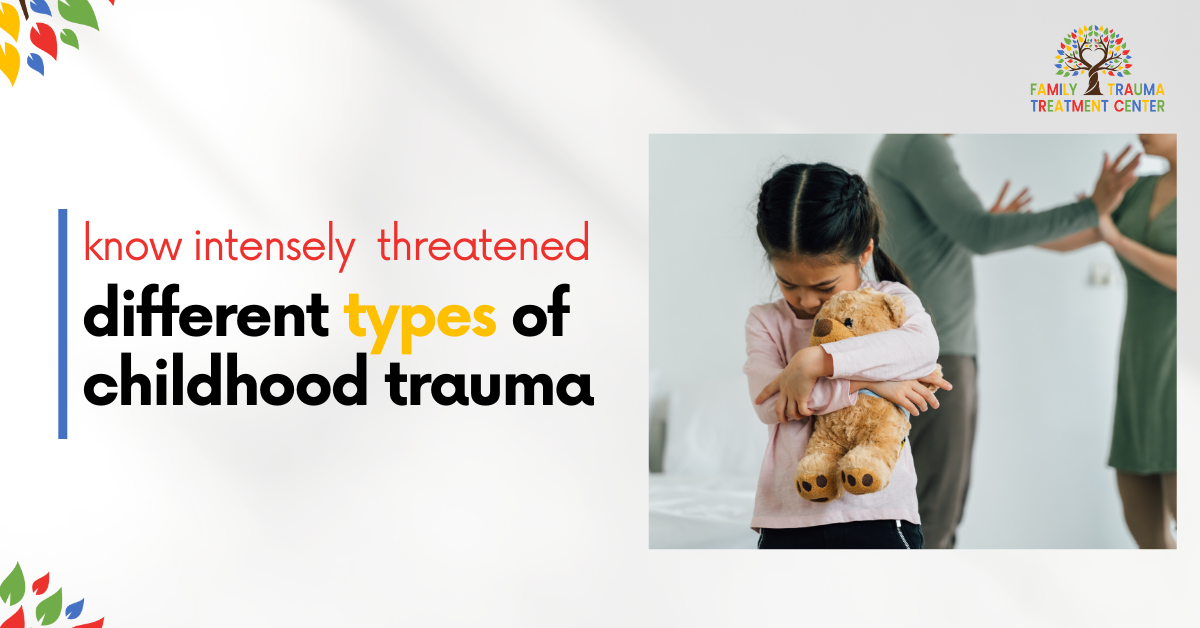
The National Child Traumatic Stress Network recognizes 12 major categories of childhood trauma: bullying, community violence, complex trauma, intimate partner violence, physical abuse, child sexual abuse, child sex trafficking, traumatic grief, terrorism and violence, refugee trauma, medical trauma, and abandonment. In 2024, an estimated 532,228 children in the U.S. were confirmed victims of abuse or neglect, and roughly a third of teens report being bullied in the past year.
The 12 Types
1. Bullying. A deliberate act intended to cause social, emotional, or physical harm to someone perceived as less powerful. Recent CDC survey data shows about 34% of U.S. teens report being bullied in the past 12 months, and lifetime cyberbullying exposure among 13–17-year-olds has more than tripled over the past two decades.
2. Community violence. Exposure to intentional violence in public settings by someone not closely related to the victim — a category that includes witnessing, not just experiencing, violence.
3. Complex trauma. Exposure to multiple, often interpersonal traumatic events over time. National data from over 14,000 children found 70.4% had experienced at least two trauma types that constitute complex trauma.
4. Intimate Partner Violence (IPV). Also called domestic violence — when a child witnesses or is affected by harm between caregivers or intimate partners in the home.
5. Physical abuse. Any act by a parent or caregiver resulting in physical injury to a child. Physical abuse is among the most common ACEs reported by adolescents nationally.
6. Child sexual abuse. Any sexual interaction between a child and an adult or older child used for the sexual gratification of the perpetrator or an observer.
7. Child sex trafficking. The exchange of anything of value for a sex act involving anyone under 18 — a severe and often hidden form of abuse.
8. Traumatic grief. When the death of a loved one is so sudden, violent, or overwhelming that it interferes with a child’s ability to grieve normally or recall positive memories of the person they lost.
9. Terrorism and violence. Exposure to mass violence events — shootings, bombings, or attacks — that can affect entire communities of children, not just direct victims.
10. Refugee trauma. Trauma related to war, persecution, or forced displacement, which can affect mental and physical health long after resettlement.
11. Medical trauma. The psychological and physiological stress response some children and families experience related to injury, illness, or frightening medical procedures.
12. Abandonment. The loss — sudden or gradual — of a caregiver relationship, whether through removal from the home, death, or emotional disengagement, often leaving a child questioning their own worth.
The Scale of the Problem
These aren’t rare events. In 2024 alone, U.S. child protective services received 4.7 million maltreatment reports and confirmed 532,228 individual child victims — about 7 out of every 1,000 children in the country. Some populations face significantly higher risk: American Indian and Alaska Native children have the highest confirmed victimization rate (14.3 per 1,000), followed by Black children (12.1 per 1,000).
Frequently Asked Questions
How many types of childhood trauma are there?
The National Child Traumatic Stress Network recognizes 12 major categories, though a child can experience more than one simultaneously.
What's the difference between trauma and complex trauma?
Trauma refers to a single event or category; complex trauma refers to exposure to multiple traumatic events, often of an interpersonal nature, with broader and longer-lasting effects.
How common is child abuse in the U.S.?
In 2024, an estimated 532,228 children were confirmed victims of abuse or neglect nationally — about 7 per 1,000 children.